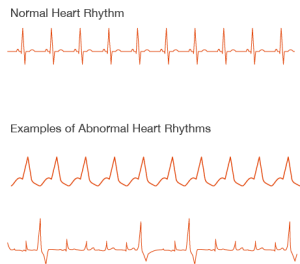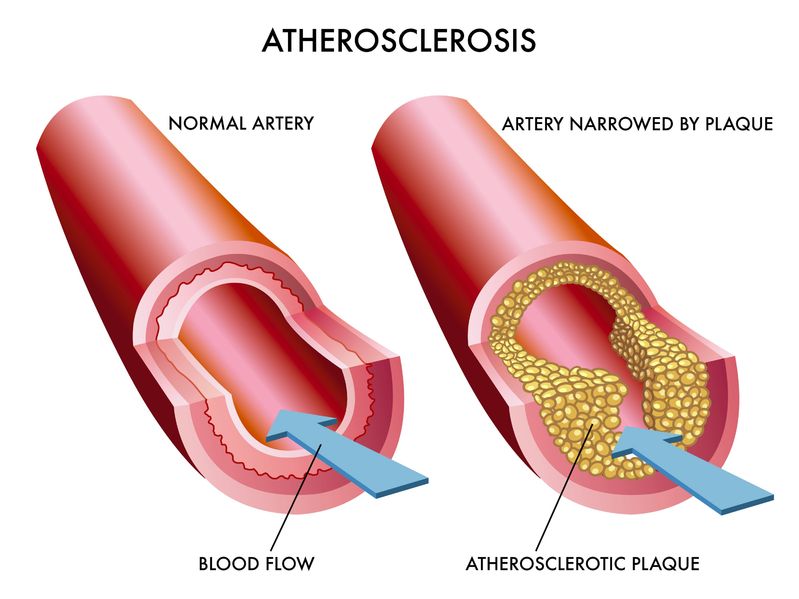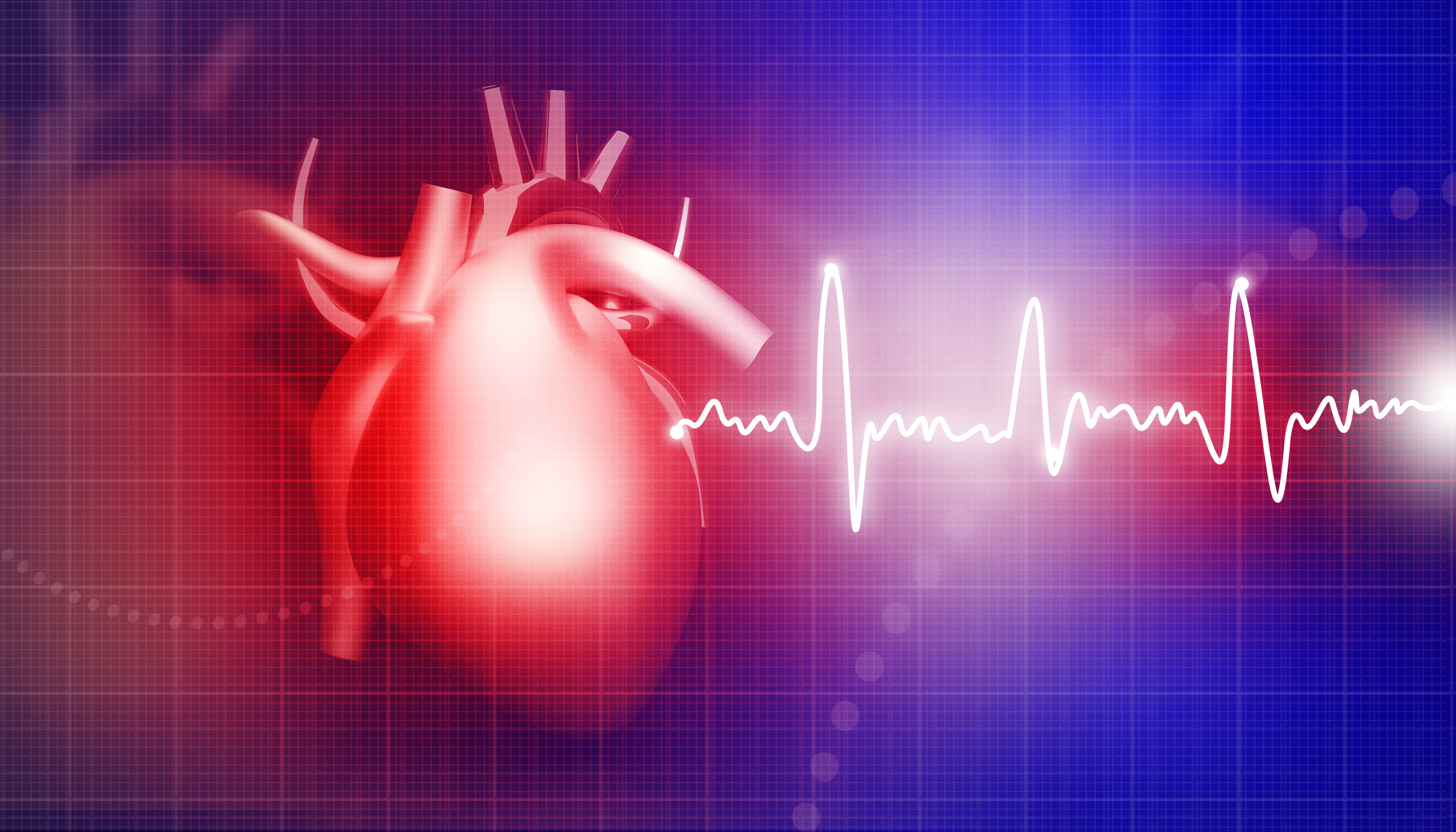

An arrhythmia is an abnormal heart beat, sometimes referred to as palpitations.
On this page: Normal electrical activity · Causes of arrhythmia · What it feels like · Types of arrhythmia
Normal electrical activity of the heart
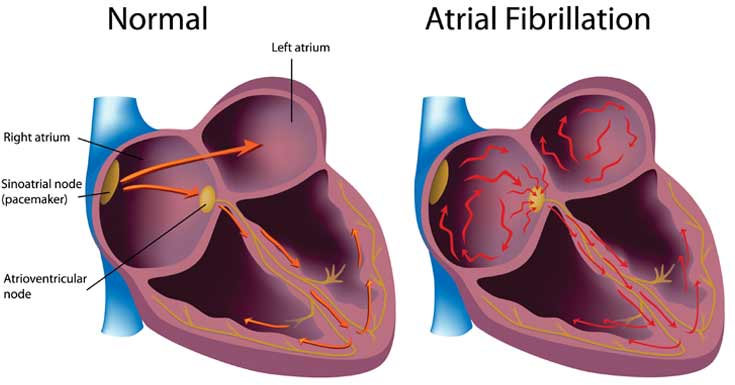
The heart has an electrical system, which transfers electrical impulses around the heart, causing it to contract (which you feel as a heart beat).
The sinoatrial node (SA node) is the heart's natural pacemaker. It sends out regular electrical impulses that make the heart contract/beat. Each impulse causes the atria (upper chambers of the heart) and then the ventricles (lower chambers of the heart) to contract and then pump the blood out.
These impulses keep the heart beating at about 60–80 beats per minute at rest, increasing with activity.
Causes of arrhythmia
Arrhythmias occur when the heart stops beating in a regular rhythm, or beats too fast or too slow. Any disruption of the electrical impulses can produce arrhythmias.
Arrhythmias alter the heart's output (the volume of blood pumped out of the heart to provide oxygen to the tissues).
What it feels like
Arrhythmias can cause different sensations, for example:
- skipping a beat
- occasional extra heart beats
- rapid pulse
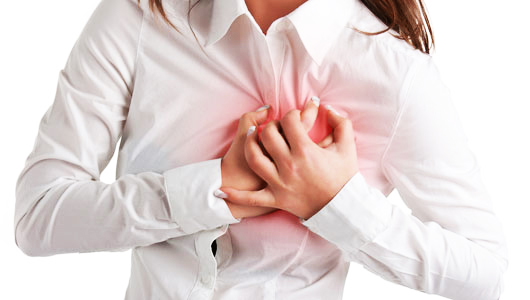
- pounding in the chest.
Some arrhythmias are not serious and may occur in healthy hearts. Others may need medical treatment. Your doctor will explain your particular arrhythmia to you in more detail, including its cause and treatment, and will answer any questions you may have.
Types of arrhythmia
Common terms associated with arrhytmias are:
Tachycardia
This is when your heart beats too quickly – usually more than 100 beats per minute.
Brachycardia
This is when the heart beats too slowly – usually less than 50 beats per minute.
Atrial fibrillation
This is when the heart generates disorganised electrical impulses, causing irregular heartbeats.
More about atrial fibrillation
Ventricular tachycardia (VT)
This is an abnormal fast heart beat that originates in the lower heart chambers (the ventricles). Rapid contractions prevent the heart from filling adequately with blood. This results in poor circulation. The patient may have blurred vision, and feel dizzy, faint, breathless, have chest discomfort, or become unconscious.
Ventricular fibrillation (VF)
This is a very fast, chaotic, irregular rhythm arising from many different areas in the ventricles, causing a quivering effect on the heart. The heart cannot pump any blood to the body. It quickly leads to an unconscious state and may result in cardiac arrest if left untreated. Ventricular fibrillation is treated with an electric shock – defibrillation.
Wolf-Parkinson-White syndrome
Wolff-Parkinson-White syndrome is a condition in which your heart has an extra electrical conduction pathway. This can cause an abnormal heart rhythm and rapid heart rate.
Read more about this syndrome
This information was first published in You and Your Heart - an education booklet for patients, families and friends. © 2006 Northern Sydney Central Coast Area Health Service


.jpg)